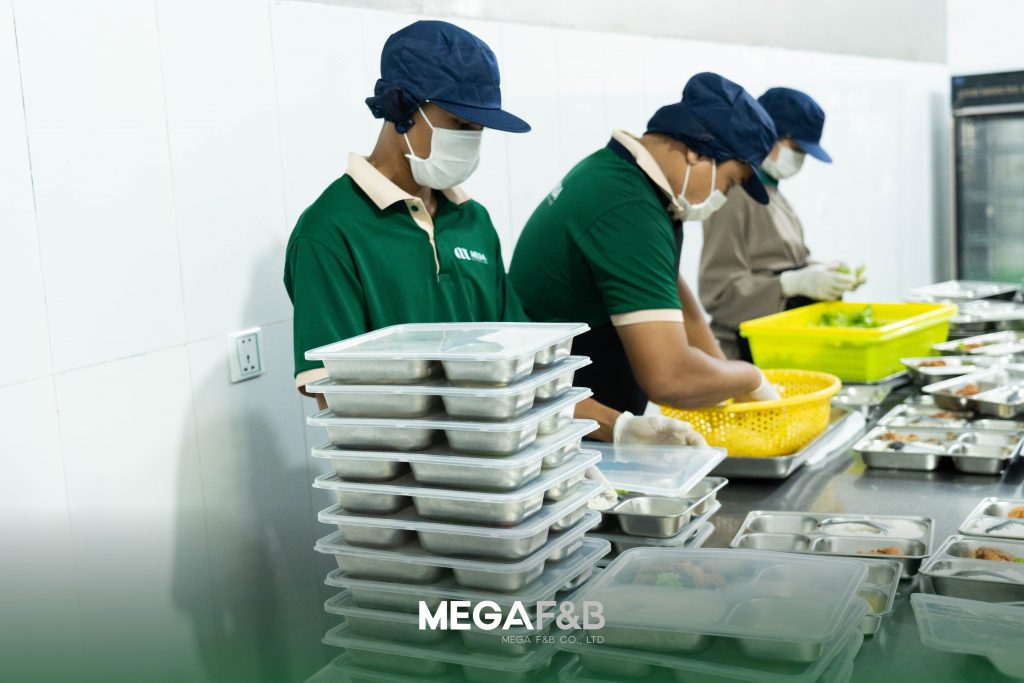
Central Kitchen Enhancement for Quality, Service, and Cleanliness The enhancement of a Central Kitchen (CK) is a strategic investment for any growing food business, directly impacting three core areas: Quality, Service (Efficiency), and Cleanliness (Food Safety). Effective CK management allows a business owner to achieve high productivity, professionalism, and easy profit management, while significantly reducing operational risks.
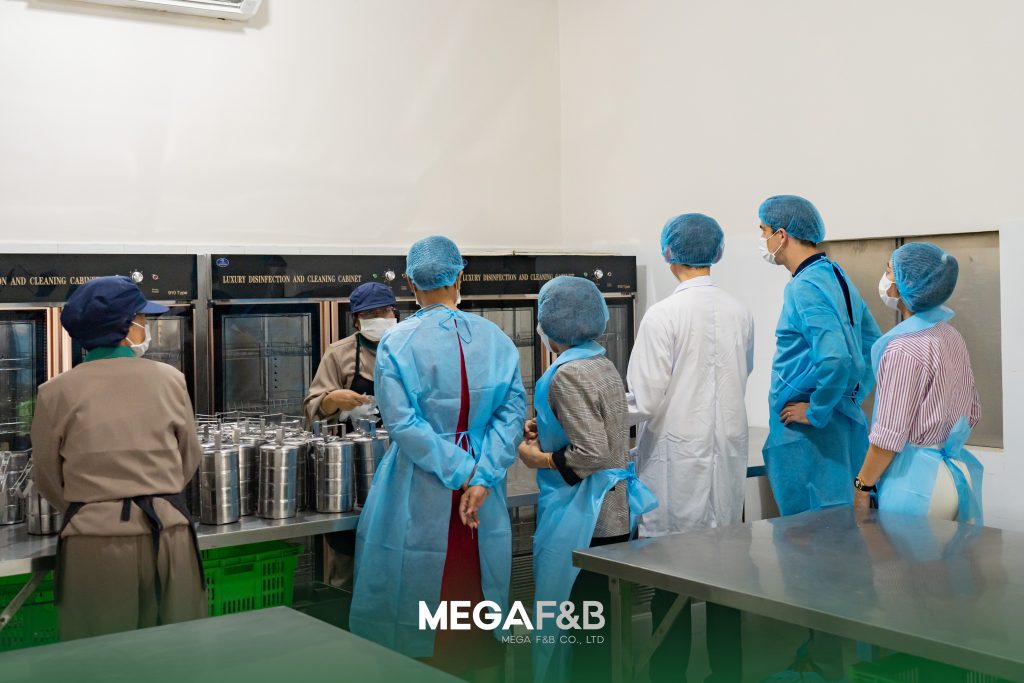
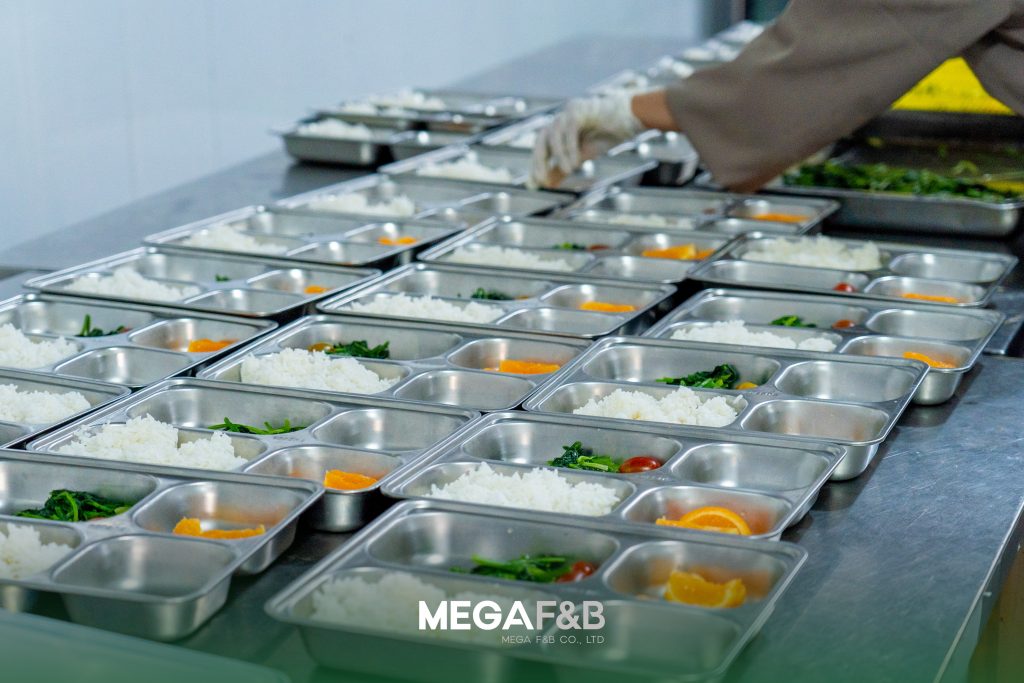
1. Quality and Consistency: The primary goal of a CK is to ensure that every single product tastes exactly the same, whether it is made today or next month. This is achieved through strict control over ingredients and the entire cooking process.
| Enhancement Area | Practice |
|---|---|
| Ingredient Control | Receiving and Quality Control : Inspect ingredients for visual appearance, smell, color, and expiration dates. Fresh food must be checked for vitality and freshness. Reject non-standard goods immediately. |
| Preparation & Storage | Food Preparation : Use ozone machines for washing vegetables to kill germs and remove harmful chemicals. Raw food must be washed, prepared, and stored in a refrigerator at the appropriate temperature. |
| Temperature Control | Food Storage : Store fresh and prepared foods at appropriate temperatures. |
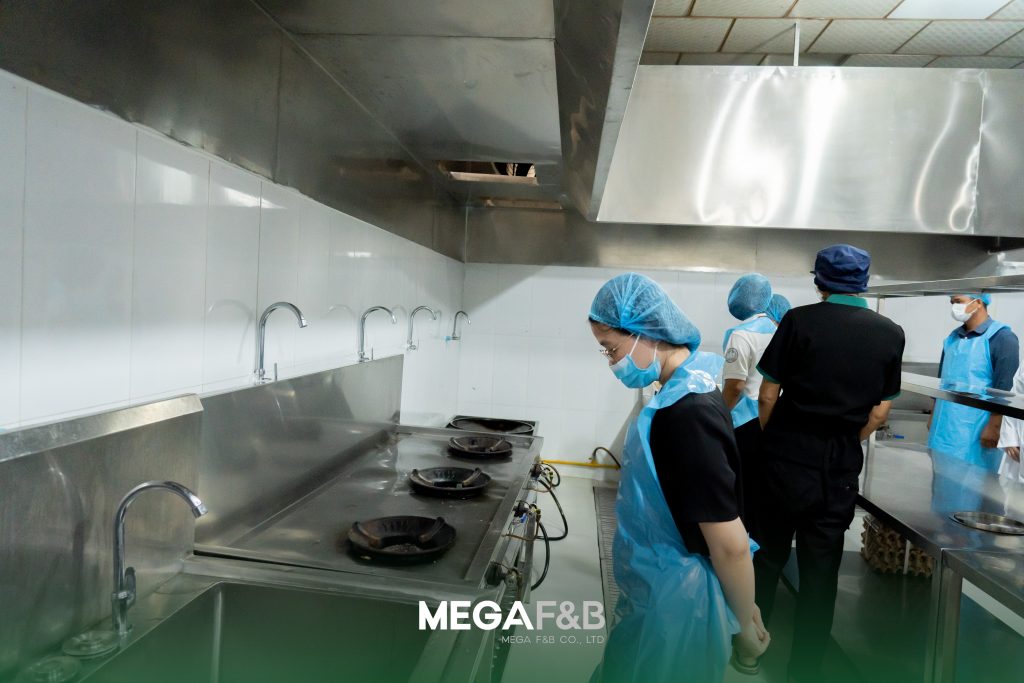
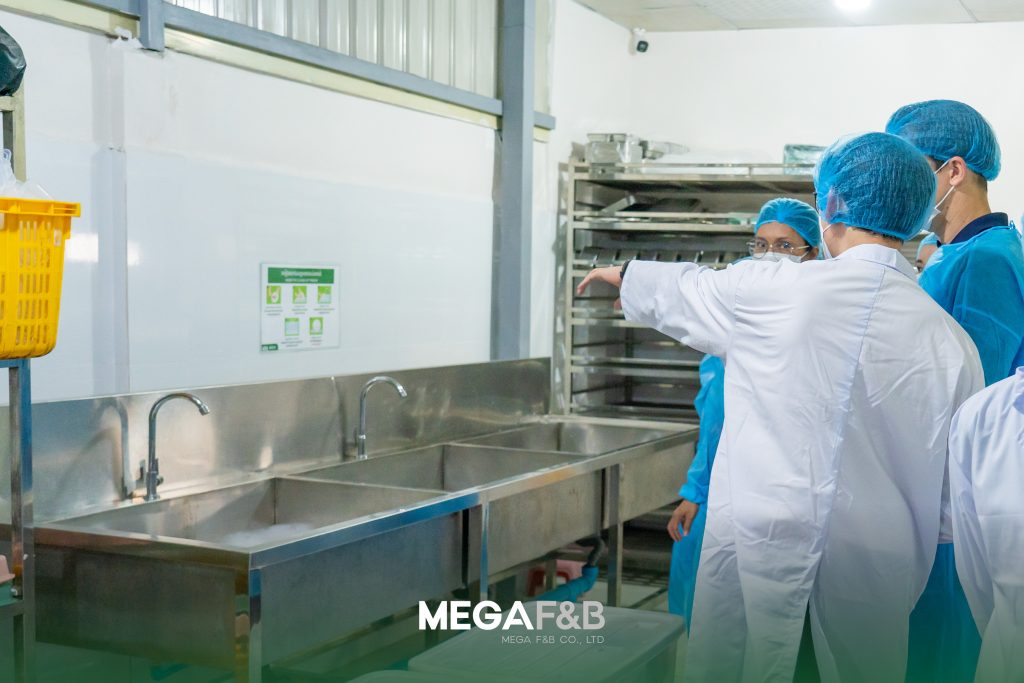
2. Cleanliness and Food Safety Food safety is paramount and requires a comprehensive system, often structured around the concept of a “One-Way Process System.”
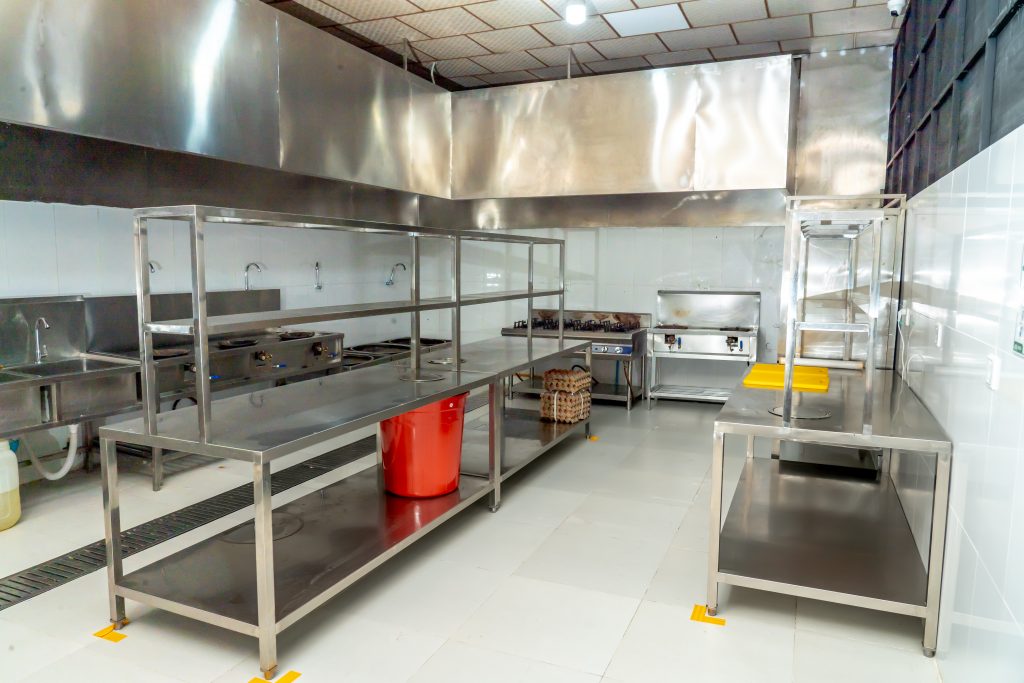
A. Kitchen Design and Flow A well-designed kitchen minimizes cross-contamination and maximizes sanitation.
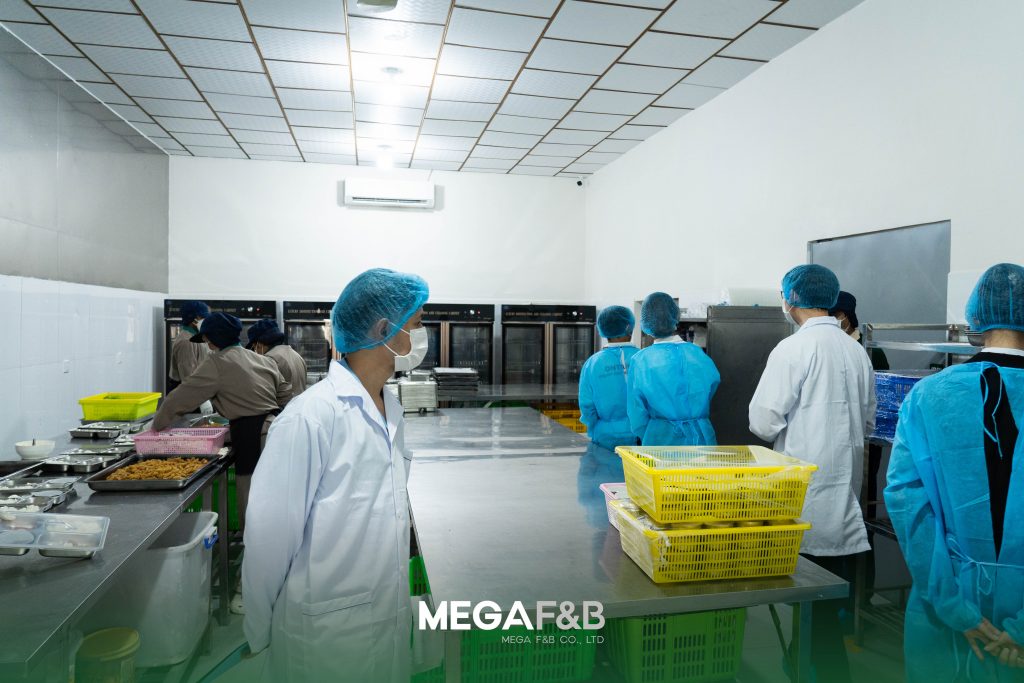
- One-Way Process : The workflow must be designed to be a “one-way flow” from the receiving area (raw materials) to the serving area (finished product), ensuring raw and cooked food pathways never cross.
- Designated Zones: The kitchen should be divided into separate zones: Receiving, Storage, Primary Processing, Cooking, Serving, Dish washing, and Waste Disposal.
- Flooring: Use non-slip flooring materials (like granite tiles with a matte or textured surface) and ensure frequent grout lines to create more friction, minimizing slip hazards.
B. Hygiene Protocols and Staff Management| Protocol Area | Key Enhancement Strategies (Best Practices)
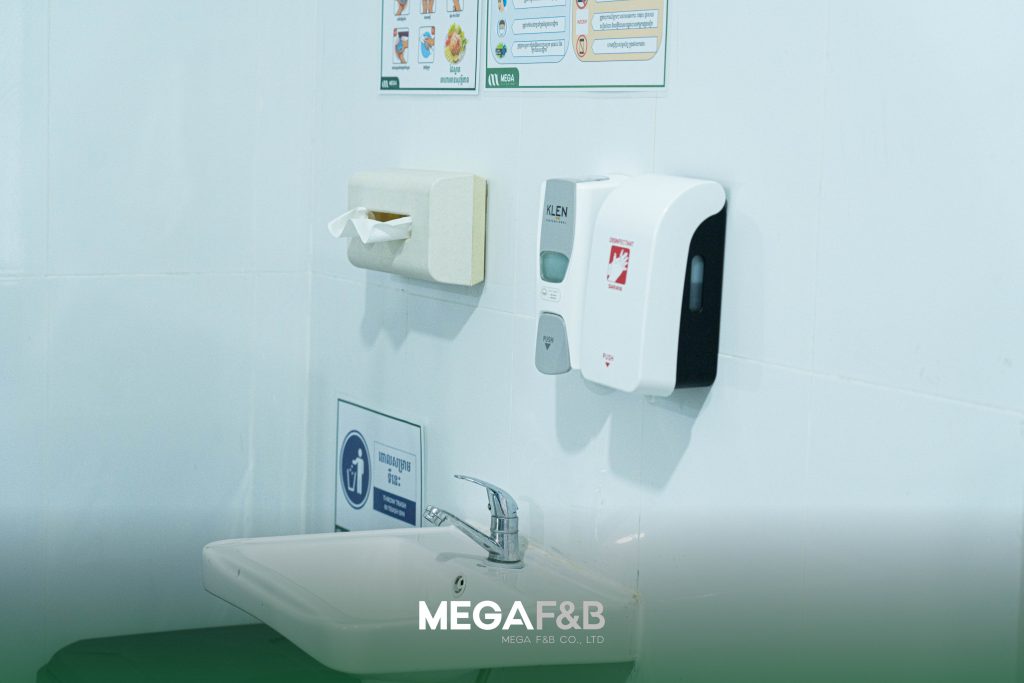
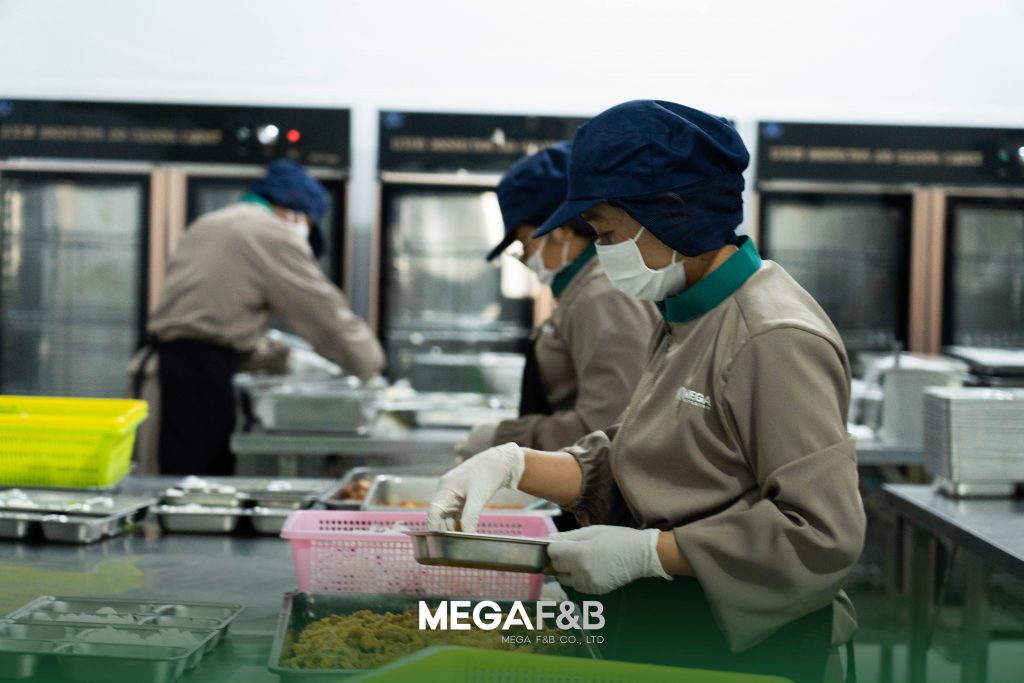
- Personal Hygiene: Staff must wear clean uniforms, aprons, and hair nets/hats. Regular and proper handwashing (with antibacterial soap, using disposable paper towels) is the first line of defense, especially after handling raw meat or waste. Accessories like watches and rings must be removed.
- Preventing Cross-Contamination: Use separate, color-coded cutting boards, utensils, and prep areas for raw meat/seafood and ready-to-eat foods (vegetables, cooked items). Store raw ingredients below ready-to-eat items in the refrigerator.
- Cleaning and Sanitation | Implement a structured cleaning schedule (daily, weekly, monthly tasks) that is clearly displayed and assigned to staff (using digital checklists is recommended). Wash, then Sanitize: Surfaces and equipment must first be thoroughly washed to remove soil, then disinfected using an approved sanitizer.
- Waste & Pest Control: Dispose of food waste in tightly sealed bins that are emptied and cleaned daily. Install proper drainage to prevent stagnant water. Implement regular professional pest control measures.
3. Service and Efficiency Enhancements to service and efficiency focus on optimizing space, reducing labor time, and ensuring smooth operation.
- Workflow Optimization (Lean Principles):
- Organize the space and equipment according to the One-Way Process to eliminate unnecessary back-and-forth movement.
- Utilize vertical space by installing wall-mounted shelves and hanging racks for frequently used pots and utensils.
- Technology & Equipment:
- Invest in high-volume, energy-efficient equipment (e.g., blast chillers, combi-ovens) to speed up preparation and chilling times.
- Use mobile equipment like kitchen trolleys and carts to move ingredients and finished products efficiently, especially in high-traffic zones.
- Training and Documentation:
- Reinforce all procedures (SOPs) and hygiene practices with regular staff training.
- Maintain comprehensive documentation and records (e.g., HACCP logs, cleaning checklists) to prove compliance during inspections and ensure all staff follow the same effective system.